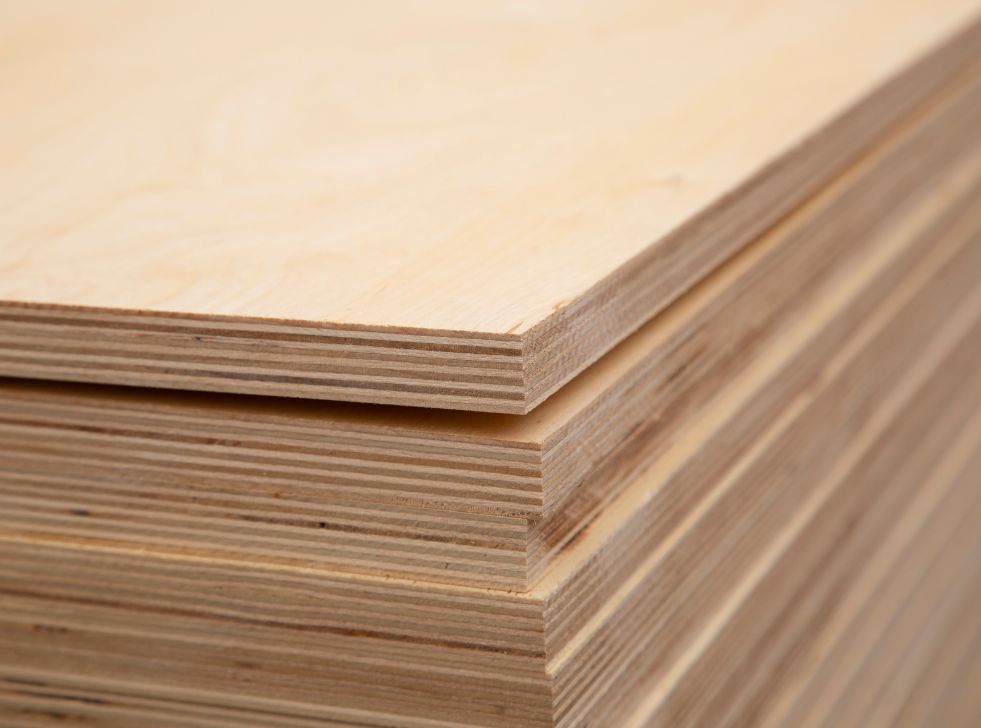
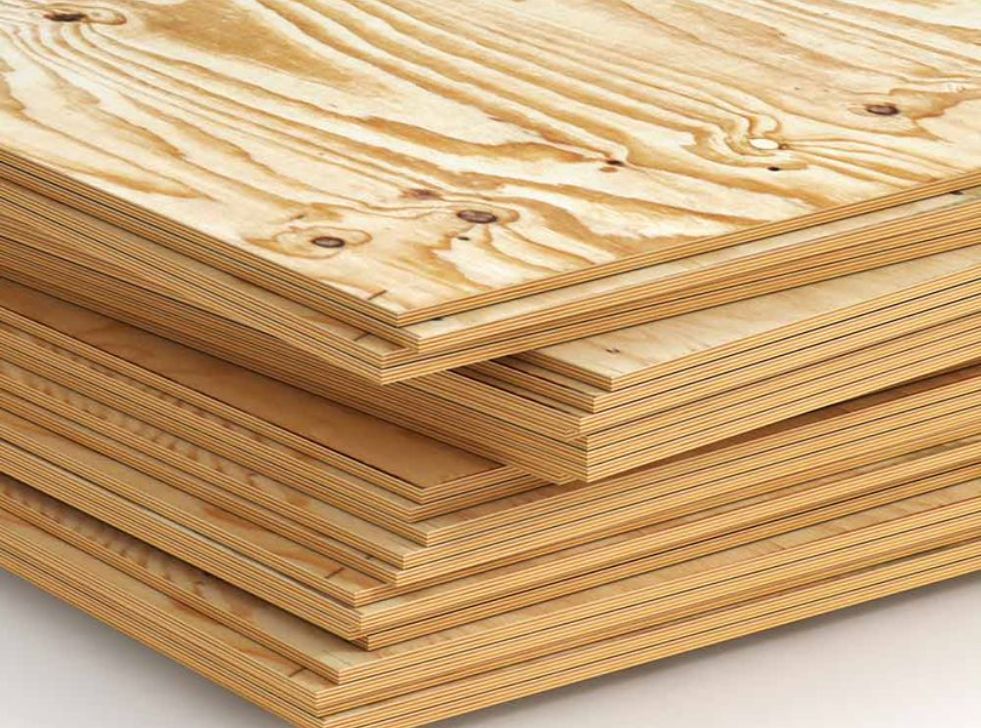
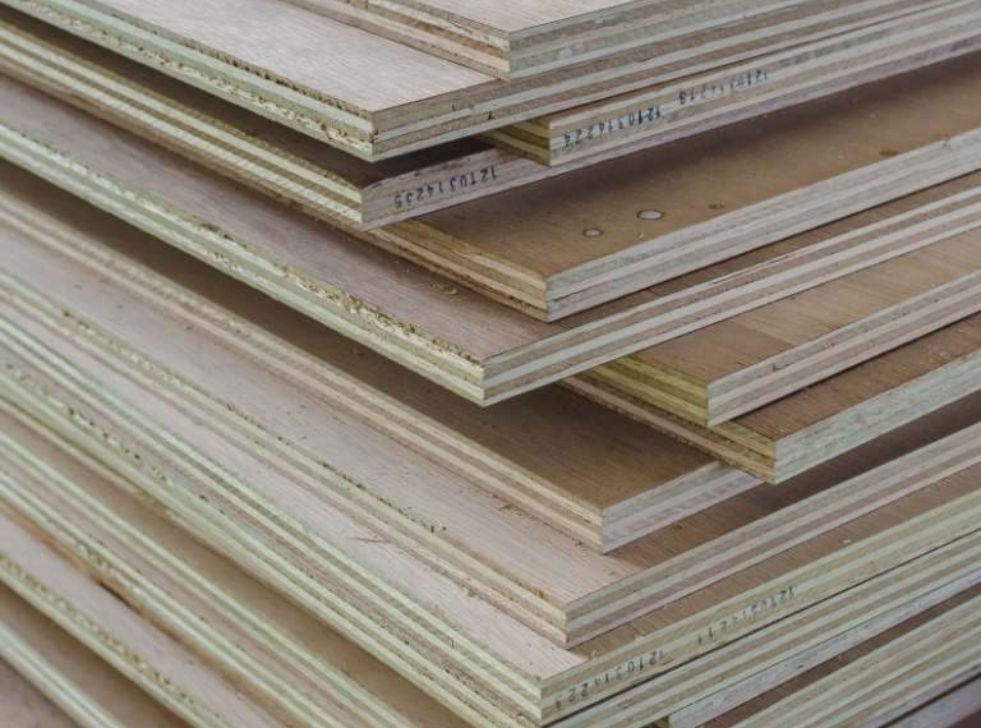
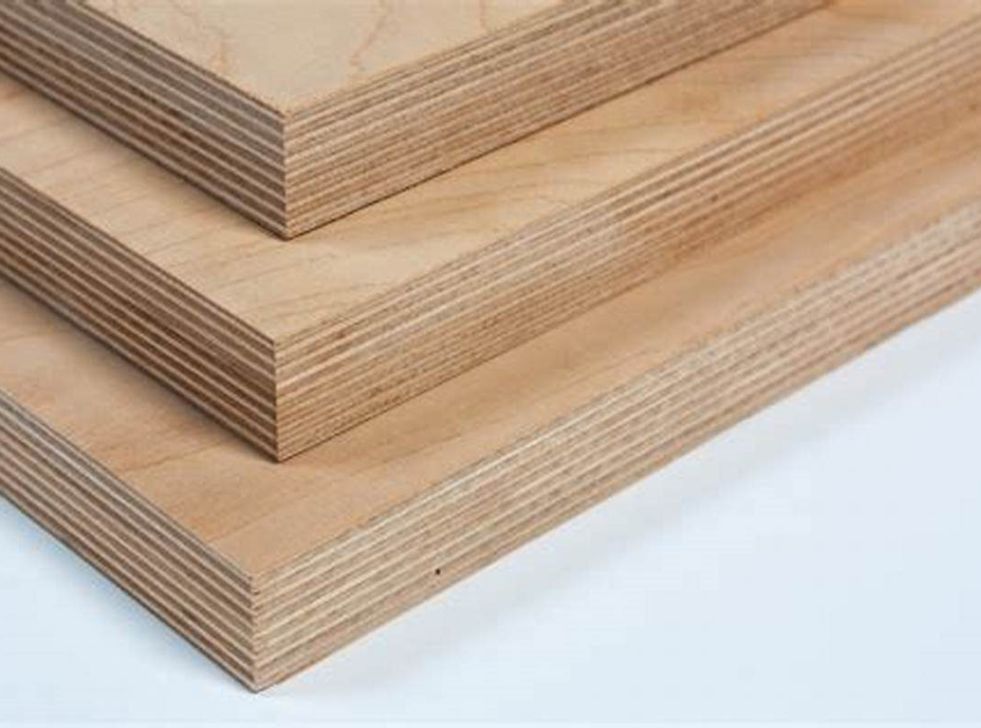
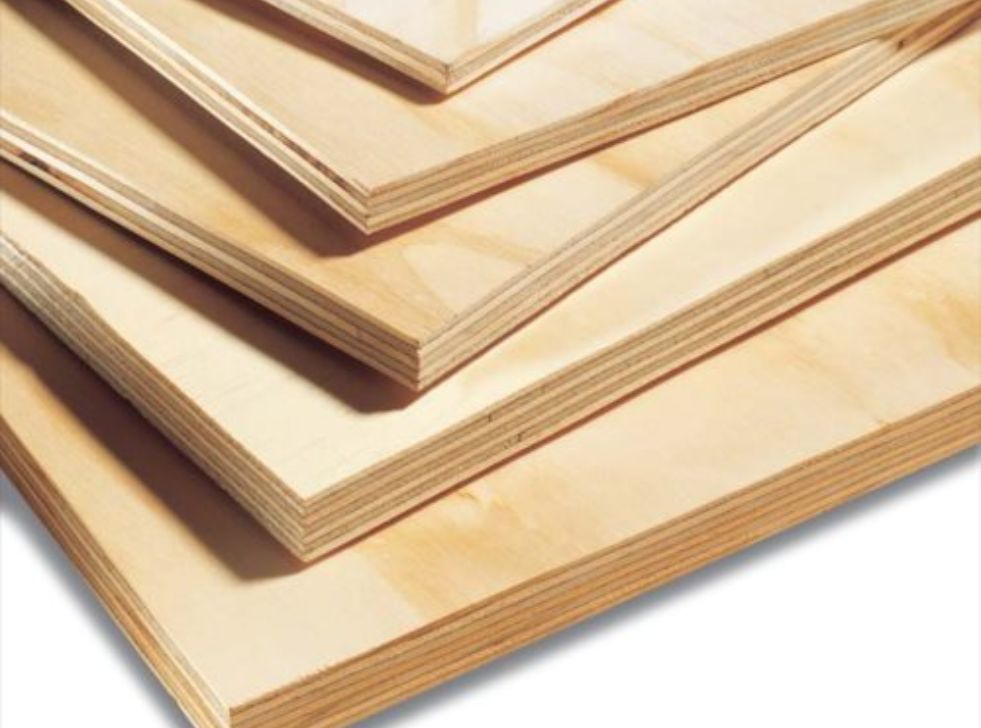
Structural plywood is designed to provide superior strength and rigidity, making it suitable for heavy-duty external applications and structural support.
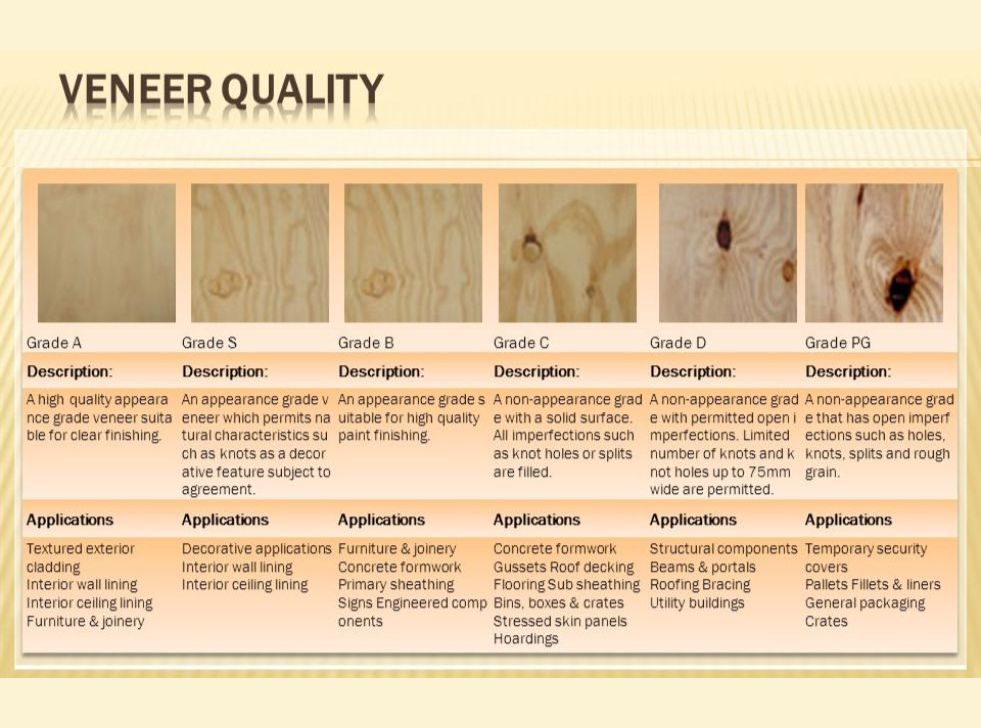
As the name suggests, structural plywood is best used for building and construction purposes like beams and hoardings. But this type of plywood can also be used in crates, internal structures, bins, boxes, and outdoor furniture. Some structural plywoods are also used for wall and roof bracing
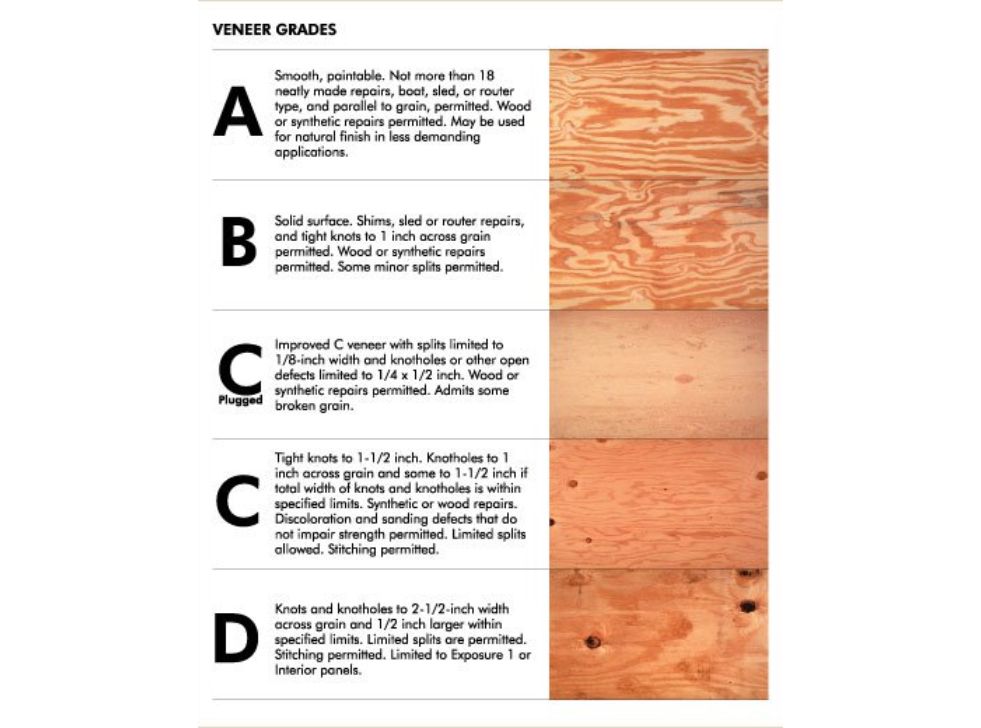
There are four grades of plywood: A, B, C and D. The grade refers to the quality and appearance of the plywood’s face and back veneers. A has the highest quality and is the most expensive, and D is the least expensive.
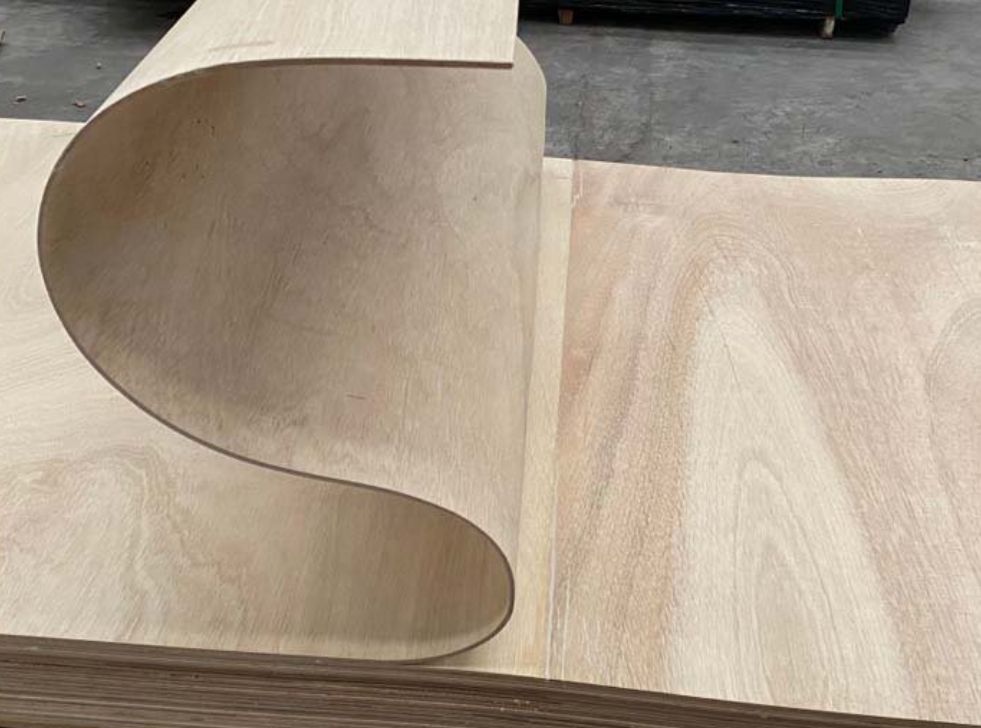
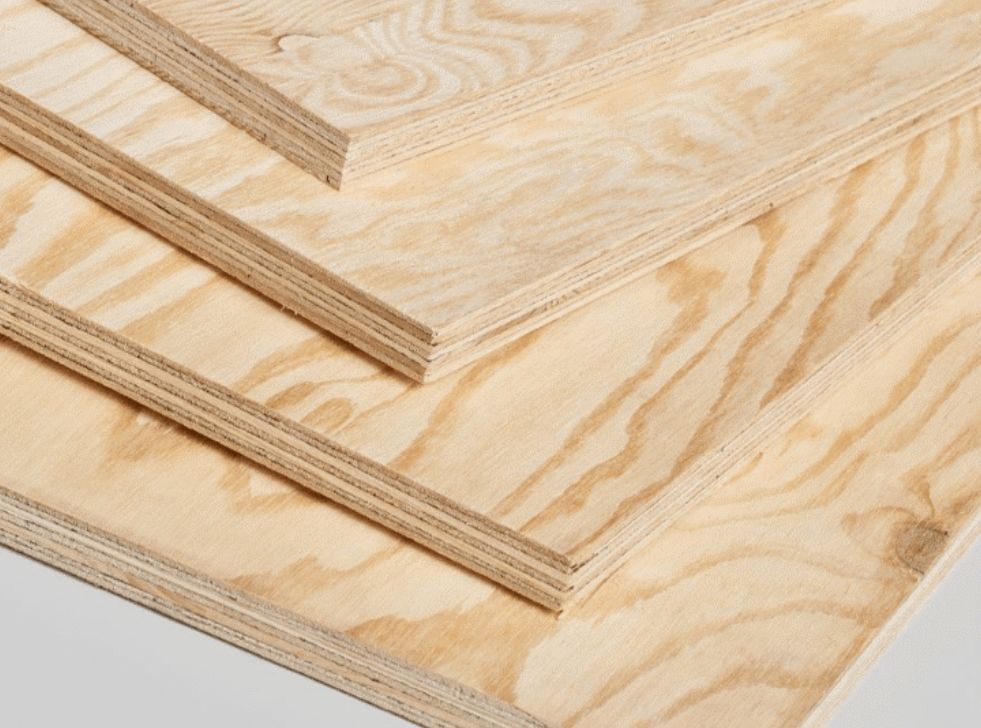
Non-structural plywood is intended for lighter uses such as cabinetmaking or furniture construction, where a more flexible material is preferred
Non-structural plywood or interior plywood is for aesthetic finishes.
In this category, the C-Bond plywood board has the higher grade face. It makes the best option if you plan on applying paint. Applications of C-Bond type include ceilings, wall linings, furniture, and decorative elements. C-Bond type plywood boards have a relatively higher tolerance to humidity than D-Bond plywood. They can applied to high humidity areas within an internal space.
D-Bond plywood boards, on the other hand, have more visible blemishes and less tolerance to humidity. If you’re using D-Bond boards as interior plywood, avoid putting them in high humidity. Other than that, its applications are similar to the C-Bond boards.
This engineered wood product contains Type A phenolic adhesive. This makes it an ideal choice for load-bearing applications.
- Tested for Type A Bond and Stress
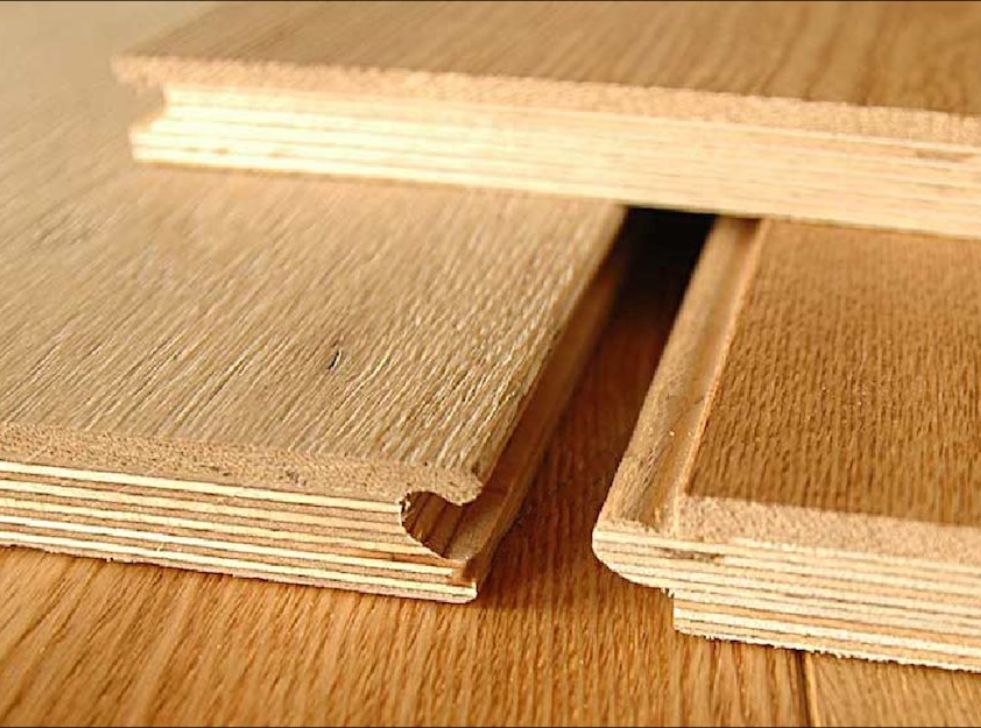
- Perfect choice for under roof or flooring applications
- Provides a great alternative to particleboard for wet areas
- Brilliant alternative for trailer and truck decks
- Used for bracing of timber frames
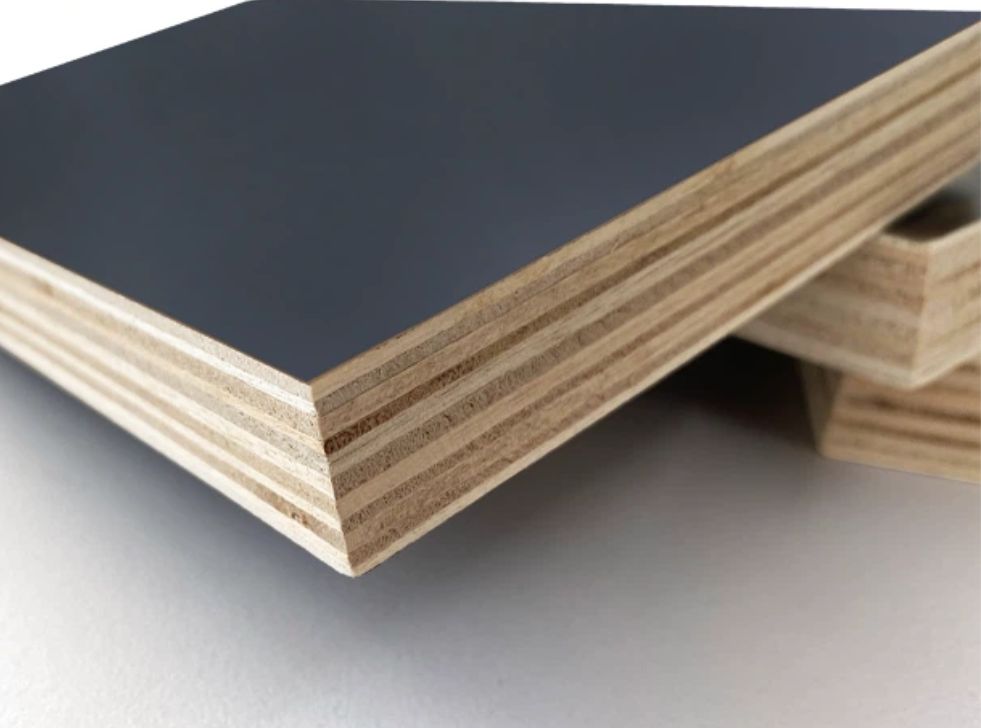
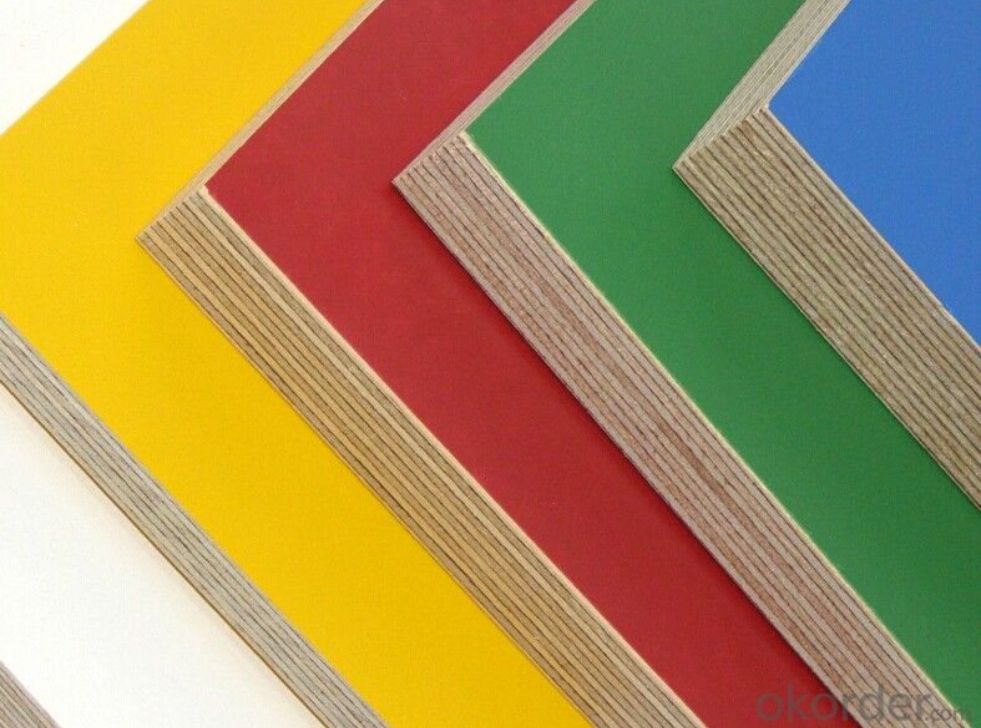
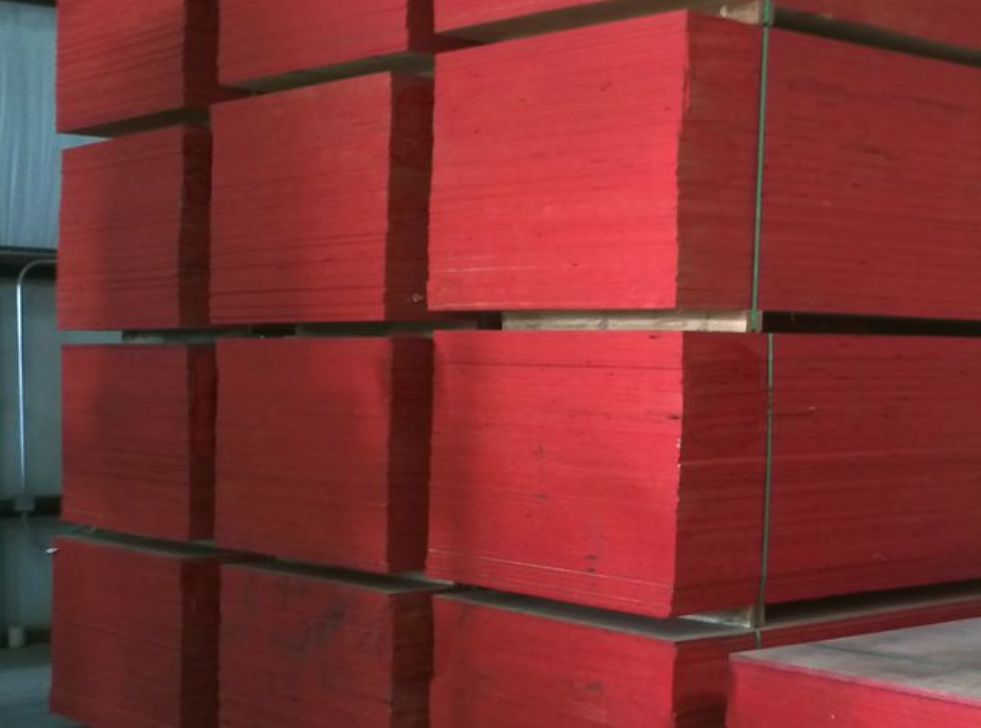
- With impregnated overlays to cater to concrete formply
- Structural plywood can be painted
- It can keep heat in or out as needed
- It is lightweight and does not present difficulties in handling.
- No special tools needed for its installation
- Resist to heavy blows
- Treatable with preservative for decay prevention
- Offers a high degree of sound and thermal insulation
CD grade plywood serves the purpose of hoardings and flooring where appearance is not a big issue. On the other hand, BB and CC are smarter choices for paint finishes, as these also offer structural strength